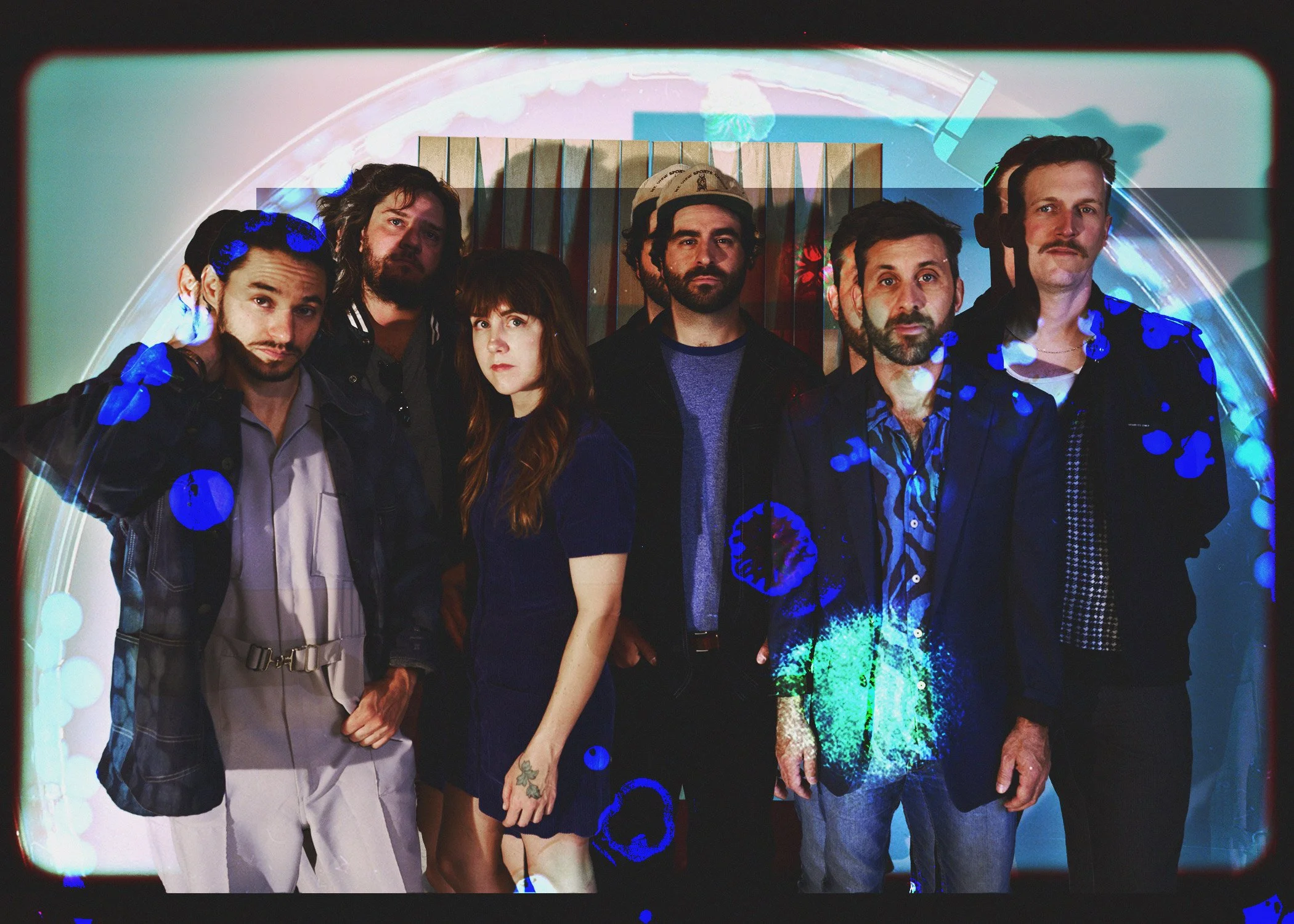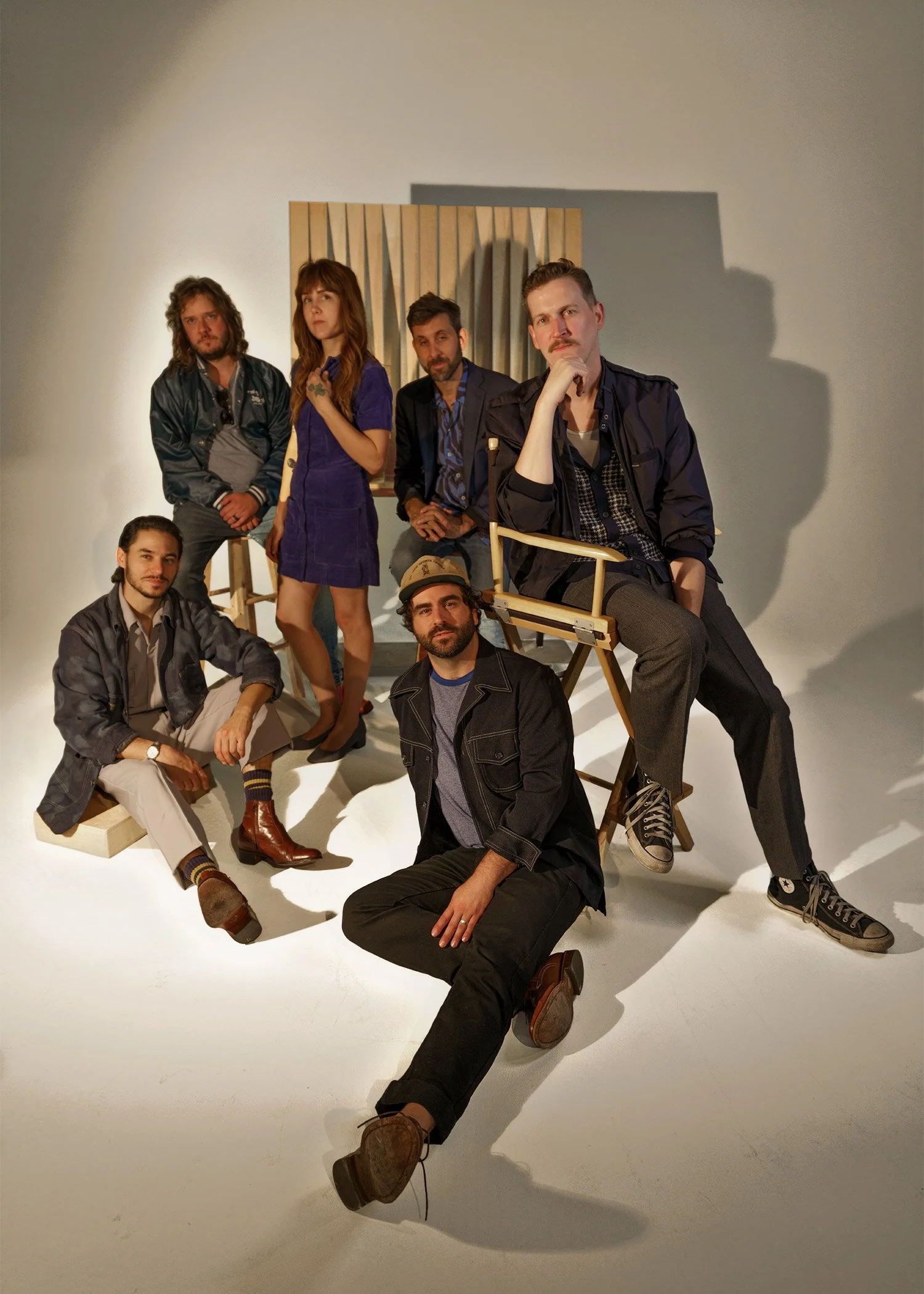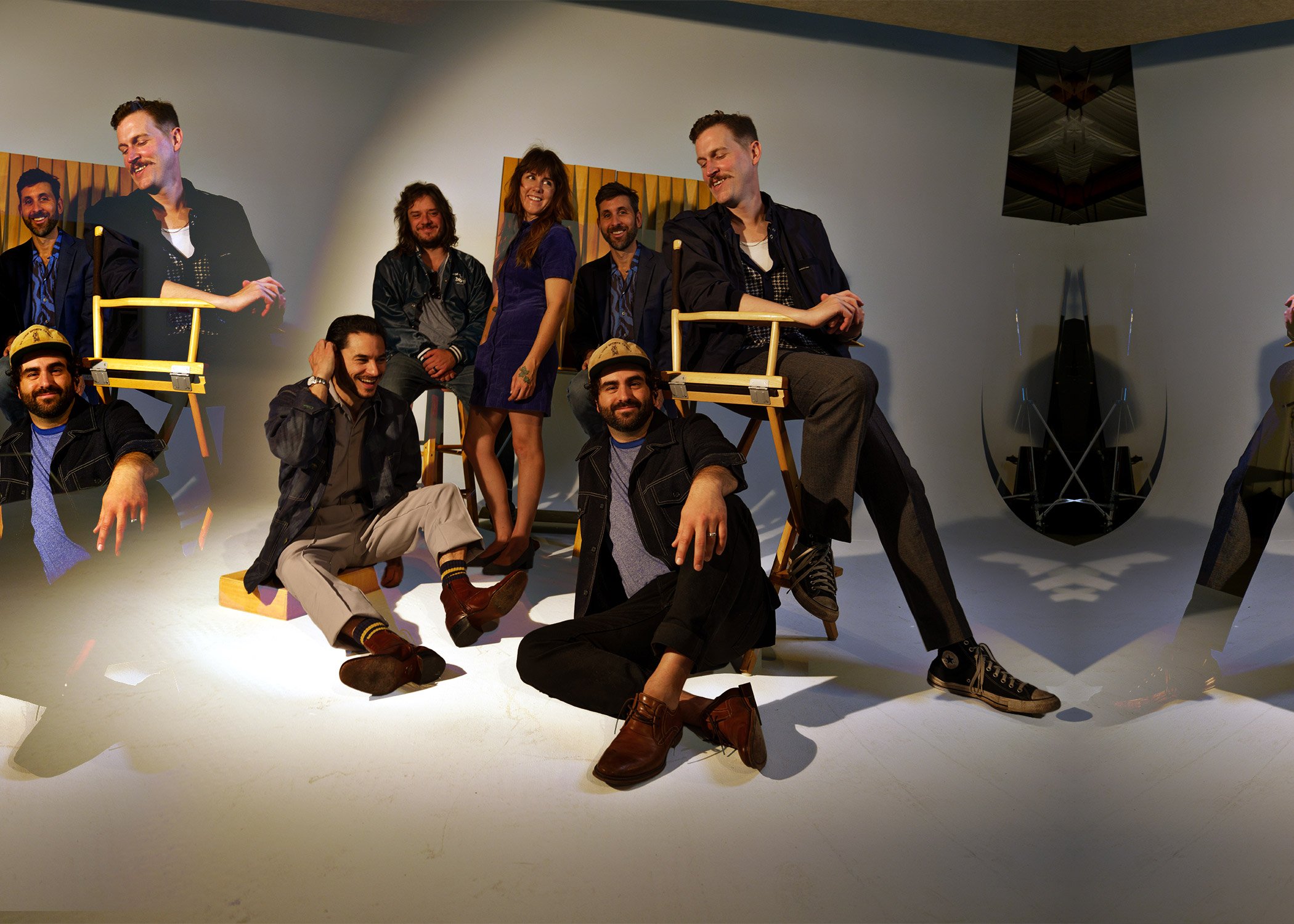

BIO
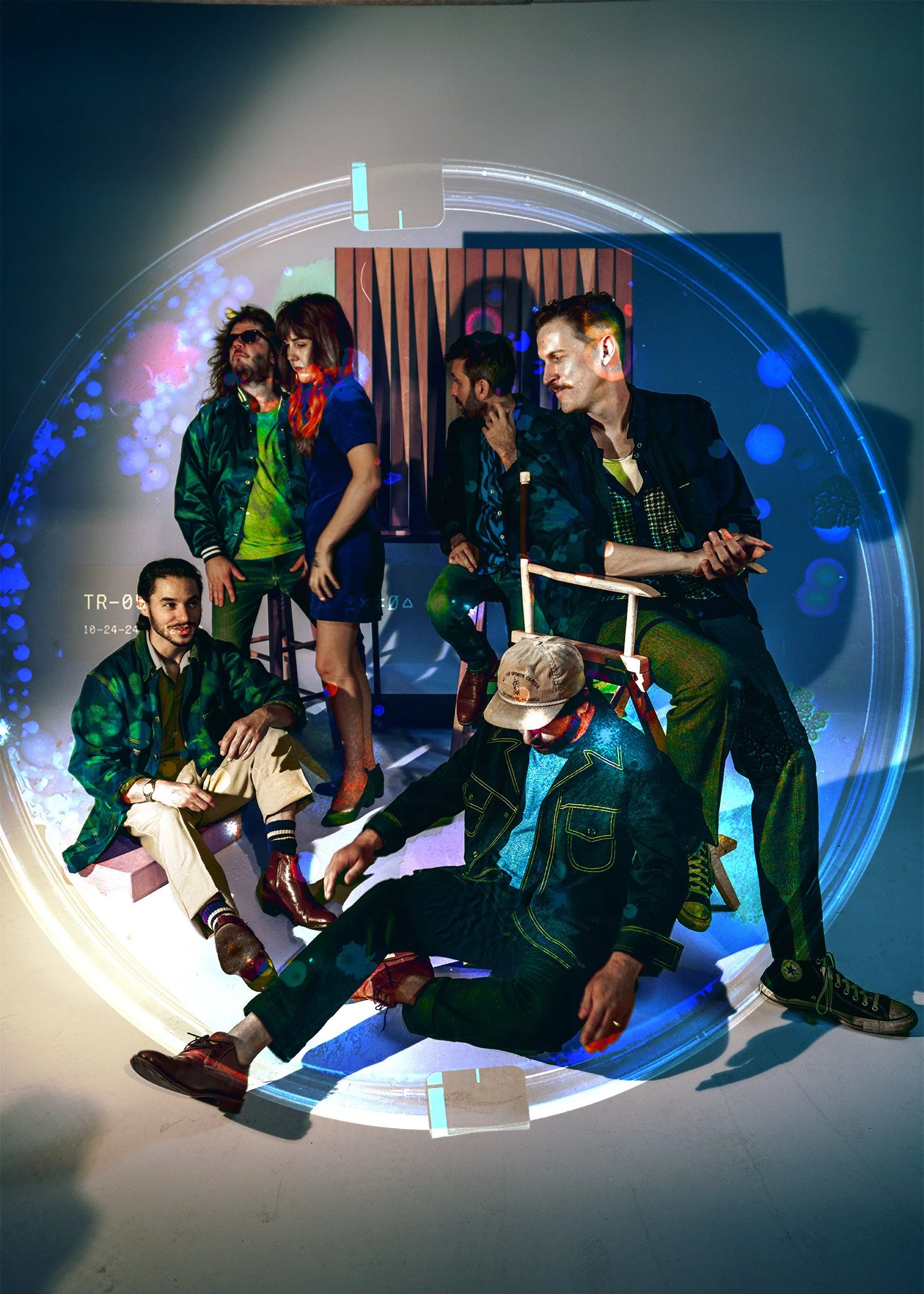
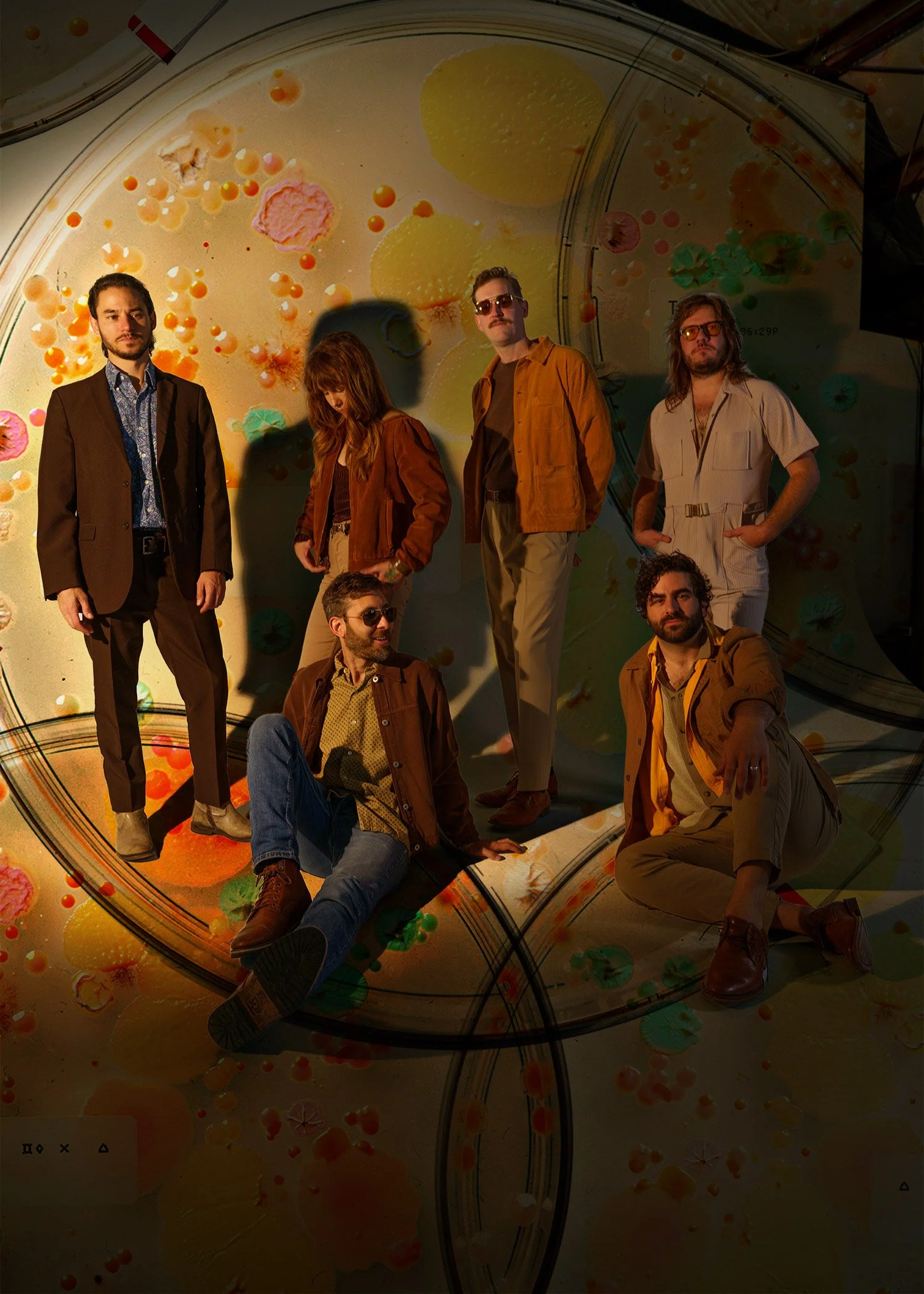
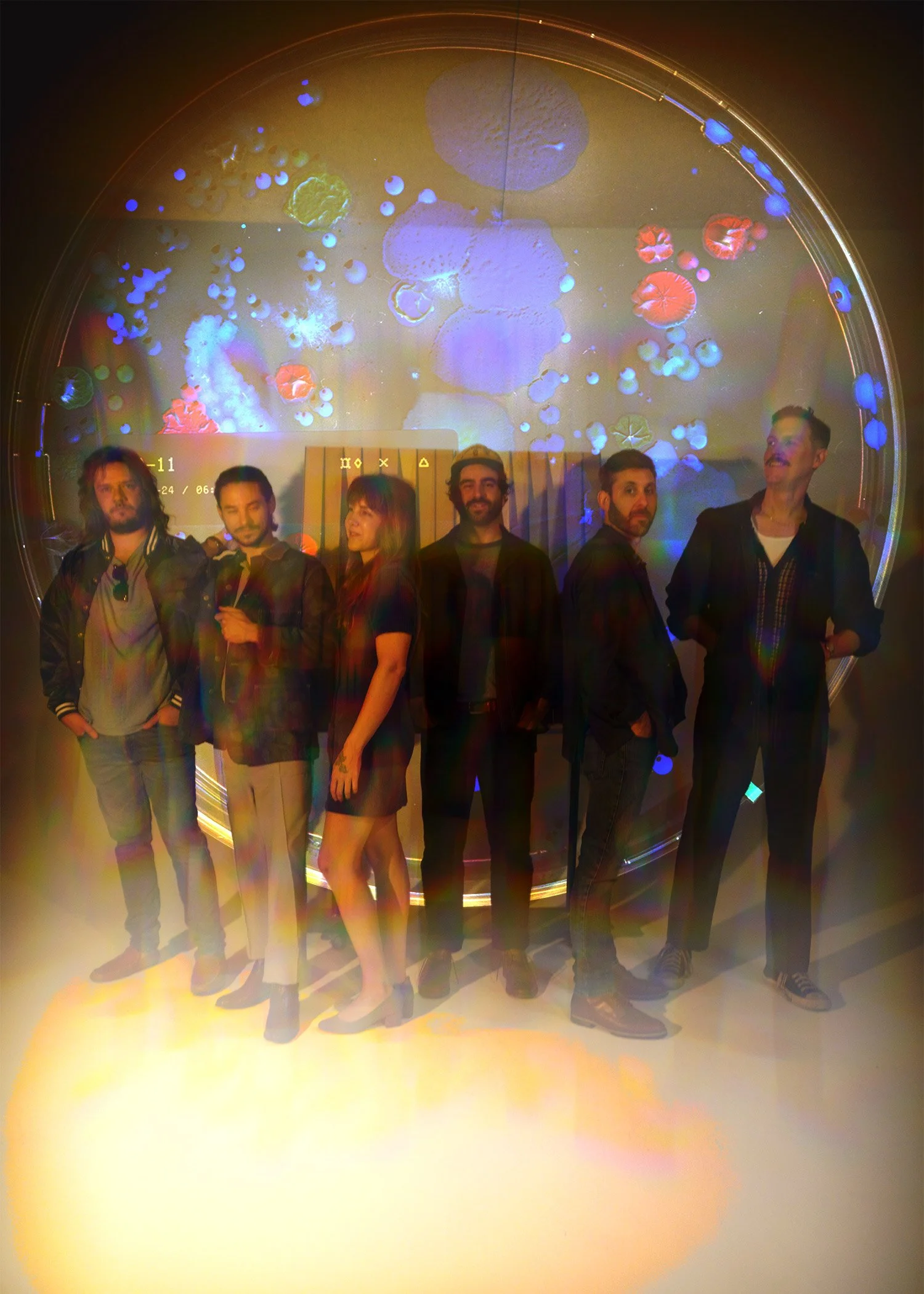
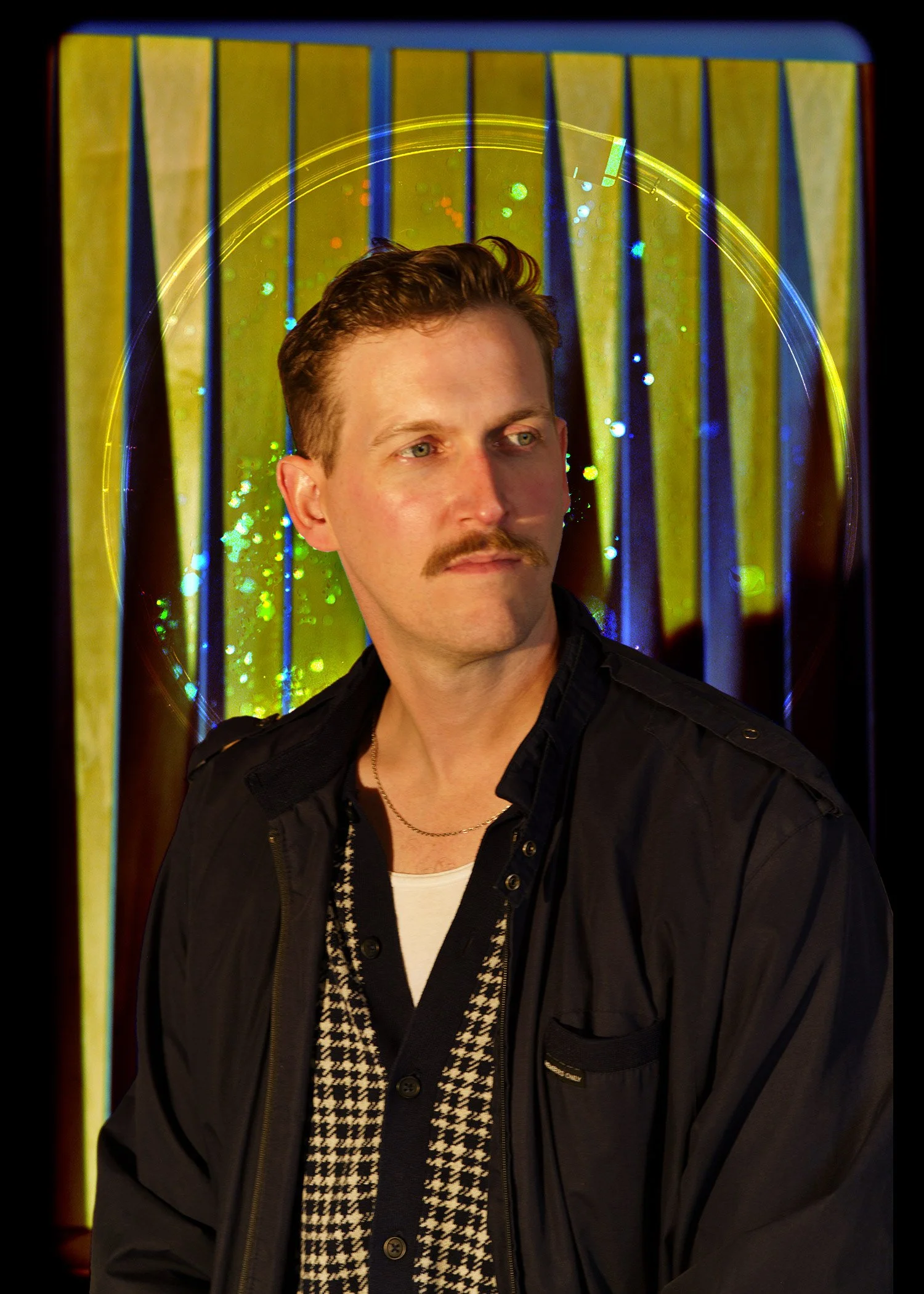
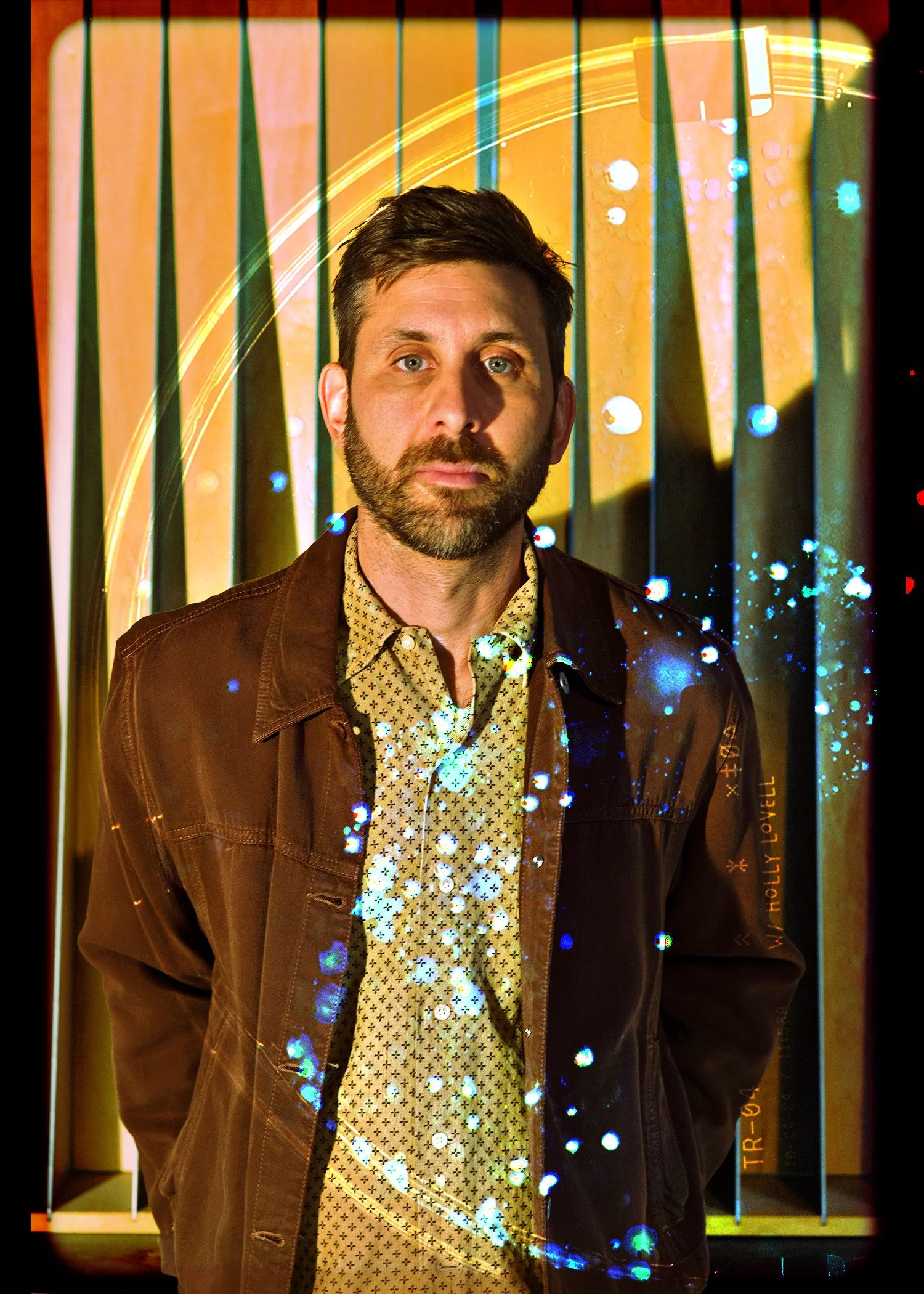
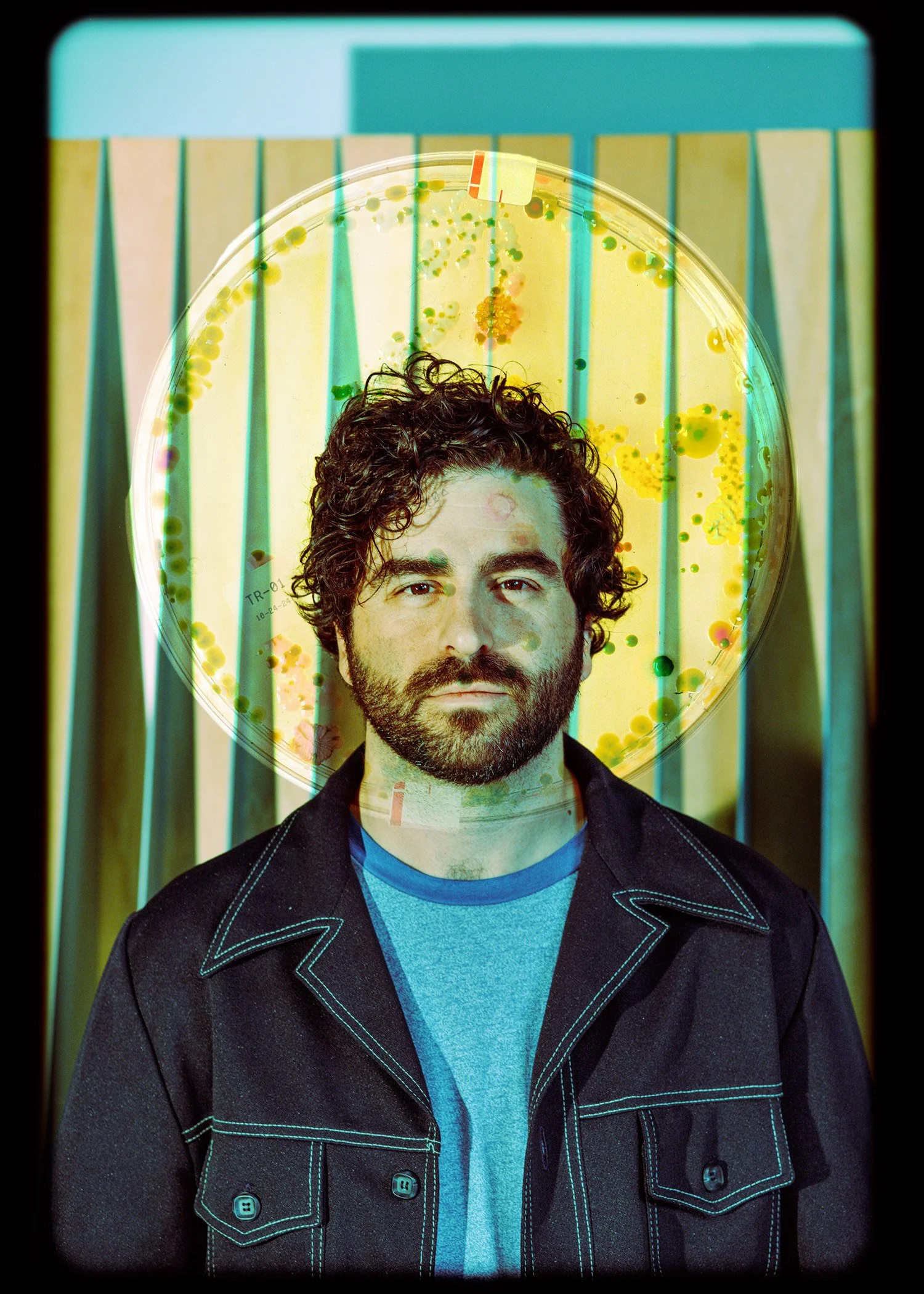
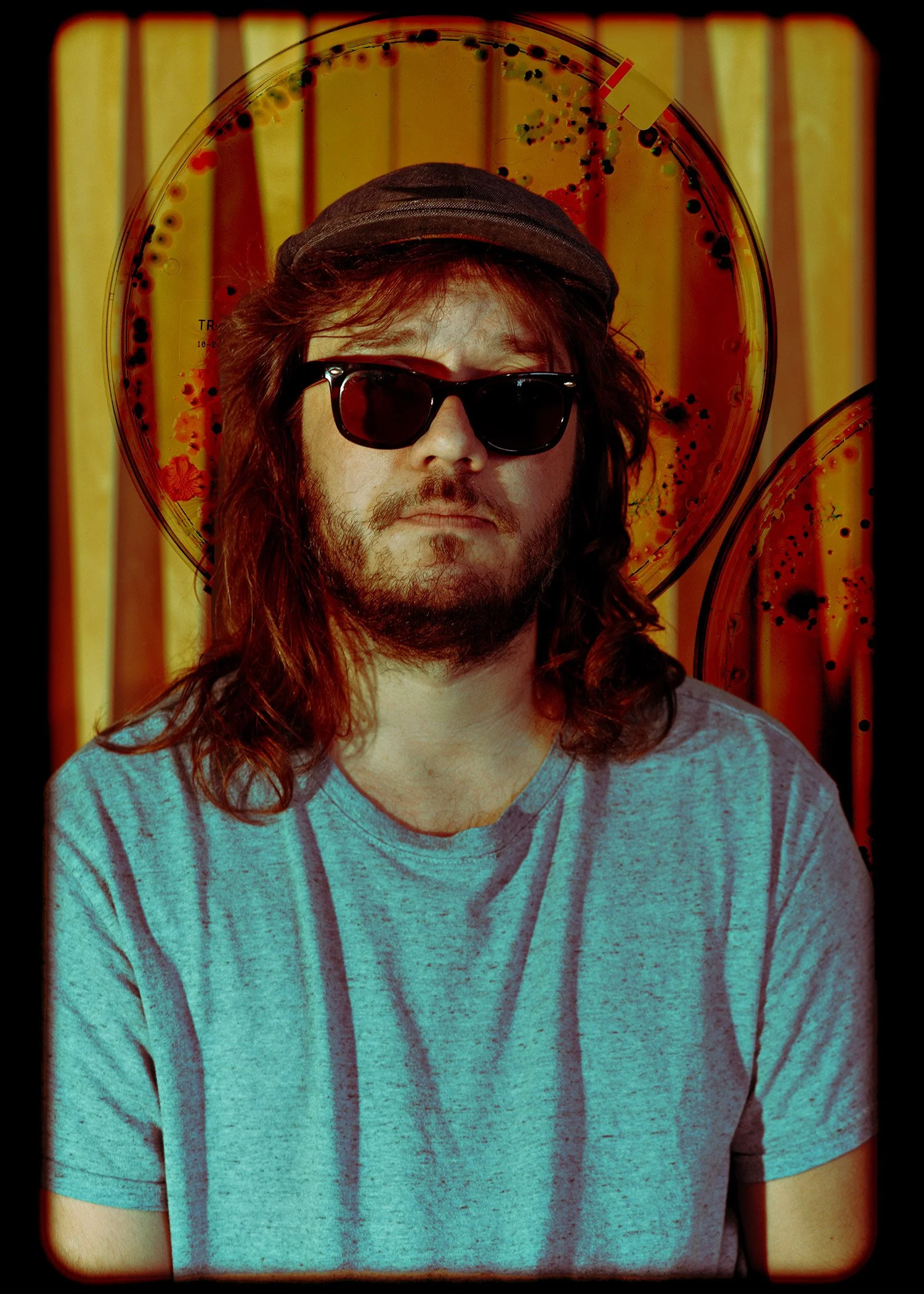
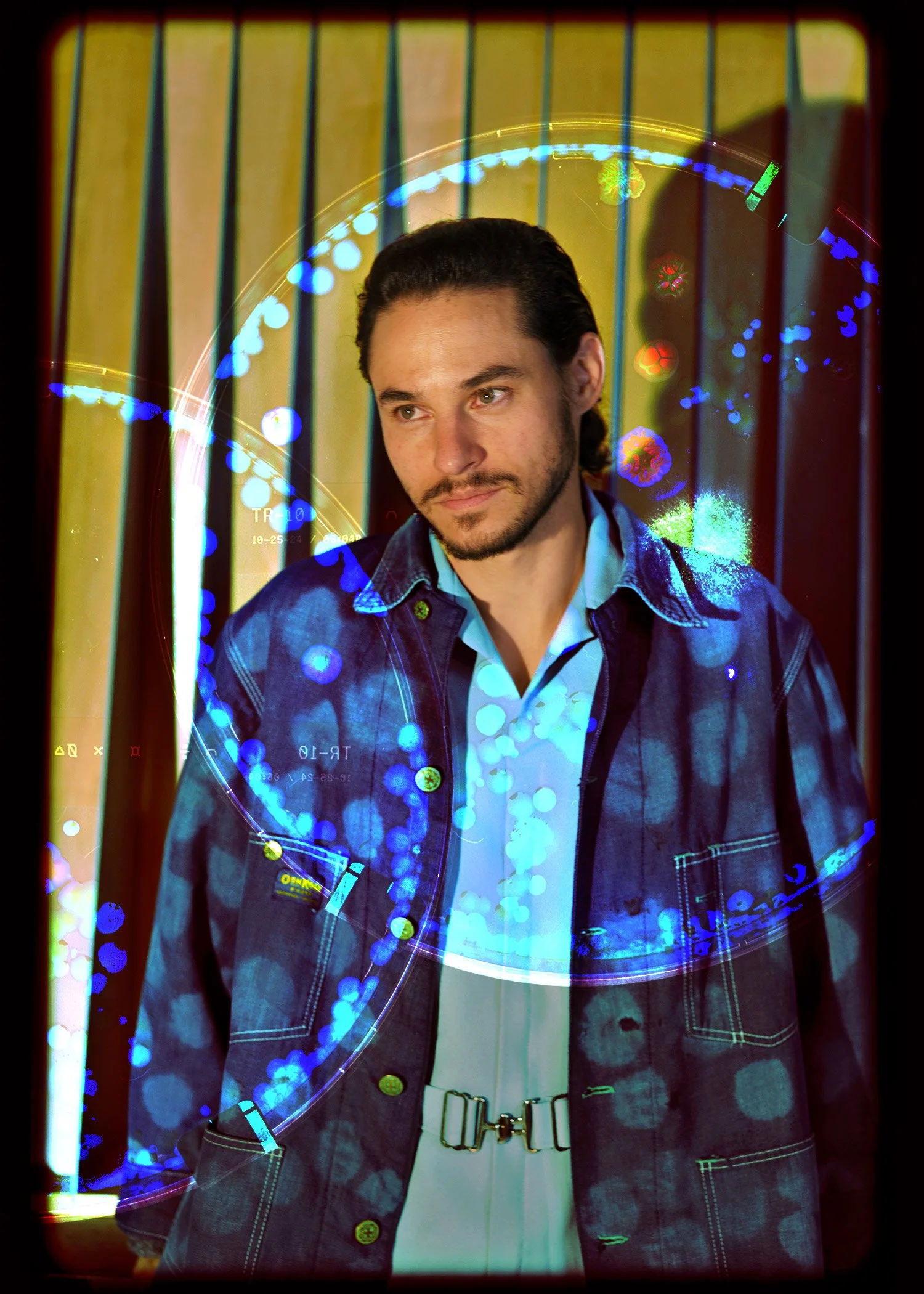
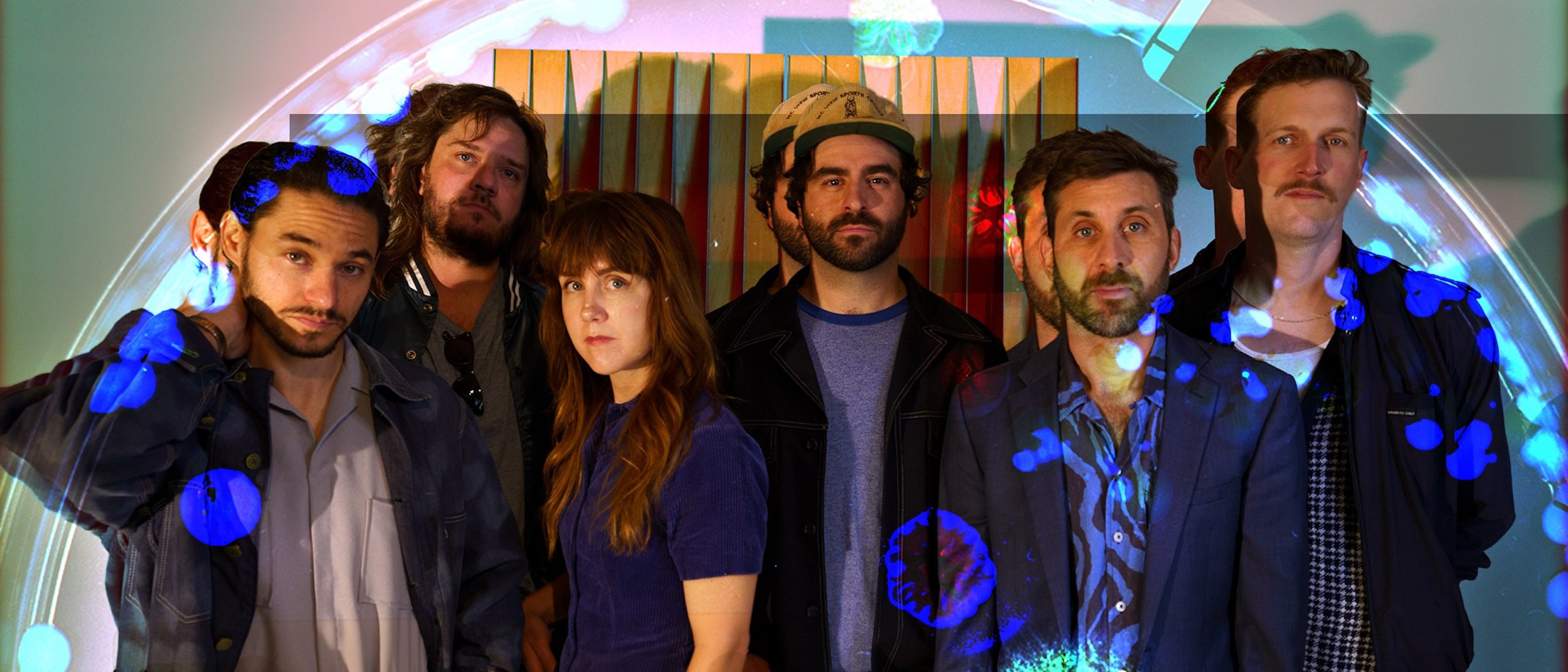
With a dozen petri dishes all lined up in neat, symmetrical rows, the packaging for King Cardinal’s extraordinary new record, Reviver, looks more like a science experiment than a work of art. In truth, though, it’s both.
“The songs on this record all feature different musicians,” says bandleader Brennan Mackey, “so we took cultures from everyone and let them grow and interact over the course of a couple months. Even though each dish shared some of the same DNA, they all developed differently, which felt like a perfect metaphor for the music.”
Indeed, Reviver is something of an experiment itself, with Mackey reimagining King Cardinal from the ground up in the wake of a series of setbacks and departures that might otherwise have ended the project entirely. Recorded in Denver with producer Eric Tate, the collection is built on a captivating blend of electronic and organic sounds, fusing modular synthesizers and digital samplers with washed out guitars, dreamy pedal steel, and anthemic percussion. At its core, the songs are still classic King Cardinal—honest, vulnerable reflections on loss and longing, hope and doubt, recovery and redemption—but the fresh sonic palette is utterly revelatory, transforming the familiar into the unexpected at every turn with adventurous arrangements and bold production choices. The result is a lush, cinematic journey back from the brink, an enthralling reintroduction to an artist learning to let nature to run its course as he discovers his sound—and himself—all over again.
“King Cardinal started out as a solo project that grew up into a band,” Mackey explains, “but after a few of the players I’d been working with moved out of town, I essentially ended up back on my own. I didn’t realize it at the time, but the songs I started writing as a result would end up leading to a total rebirth of the band.”
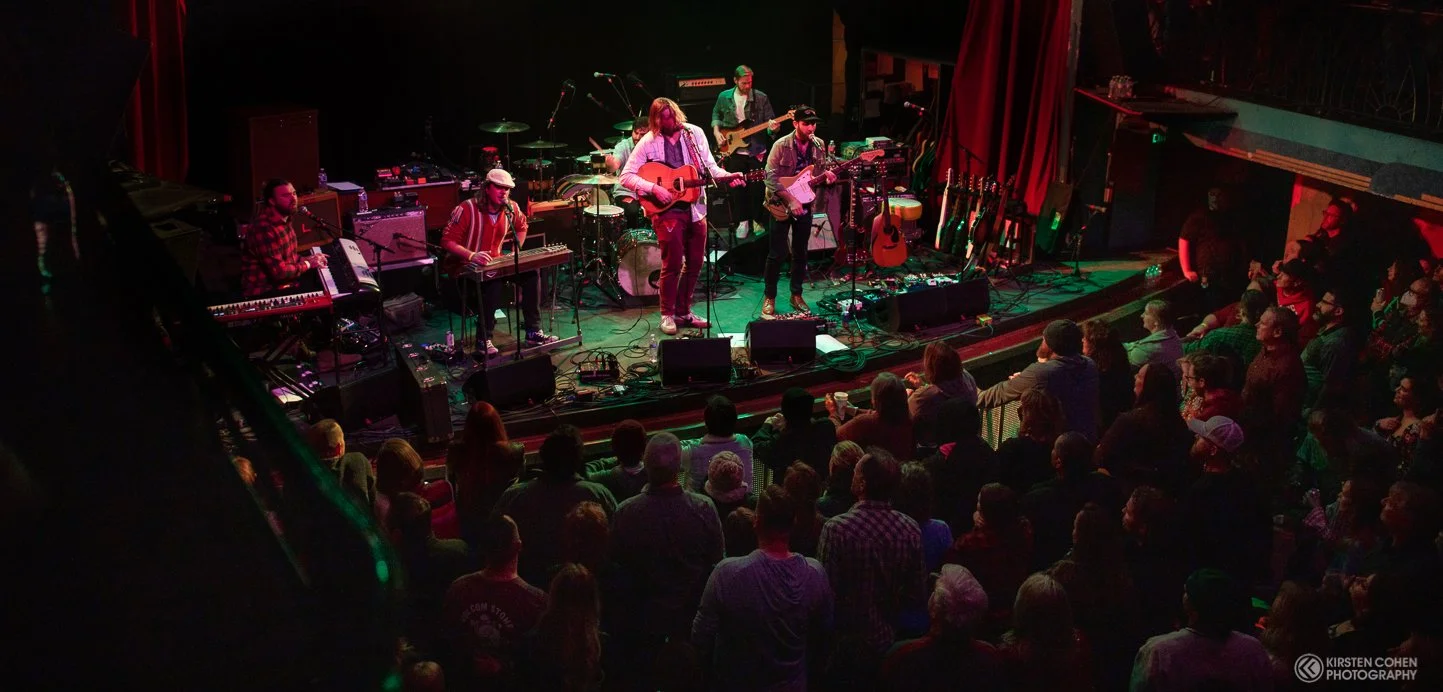
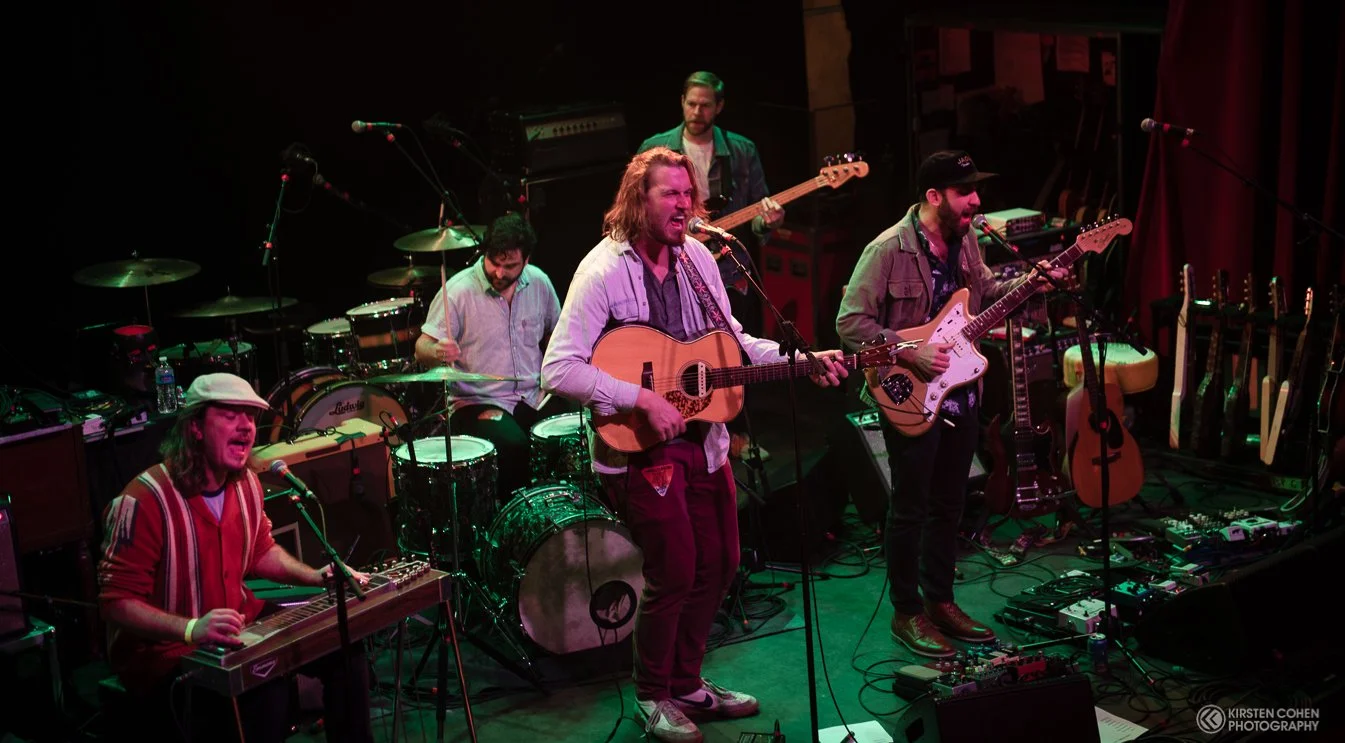
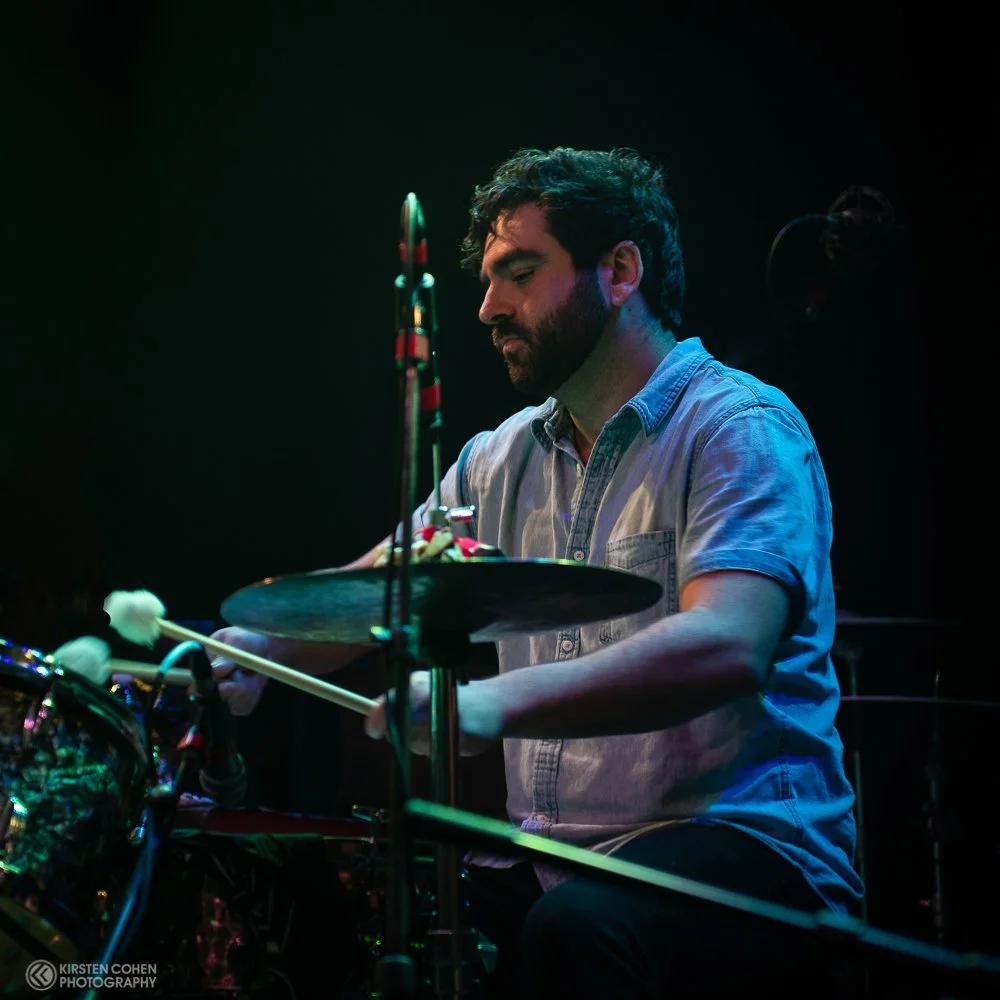
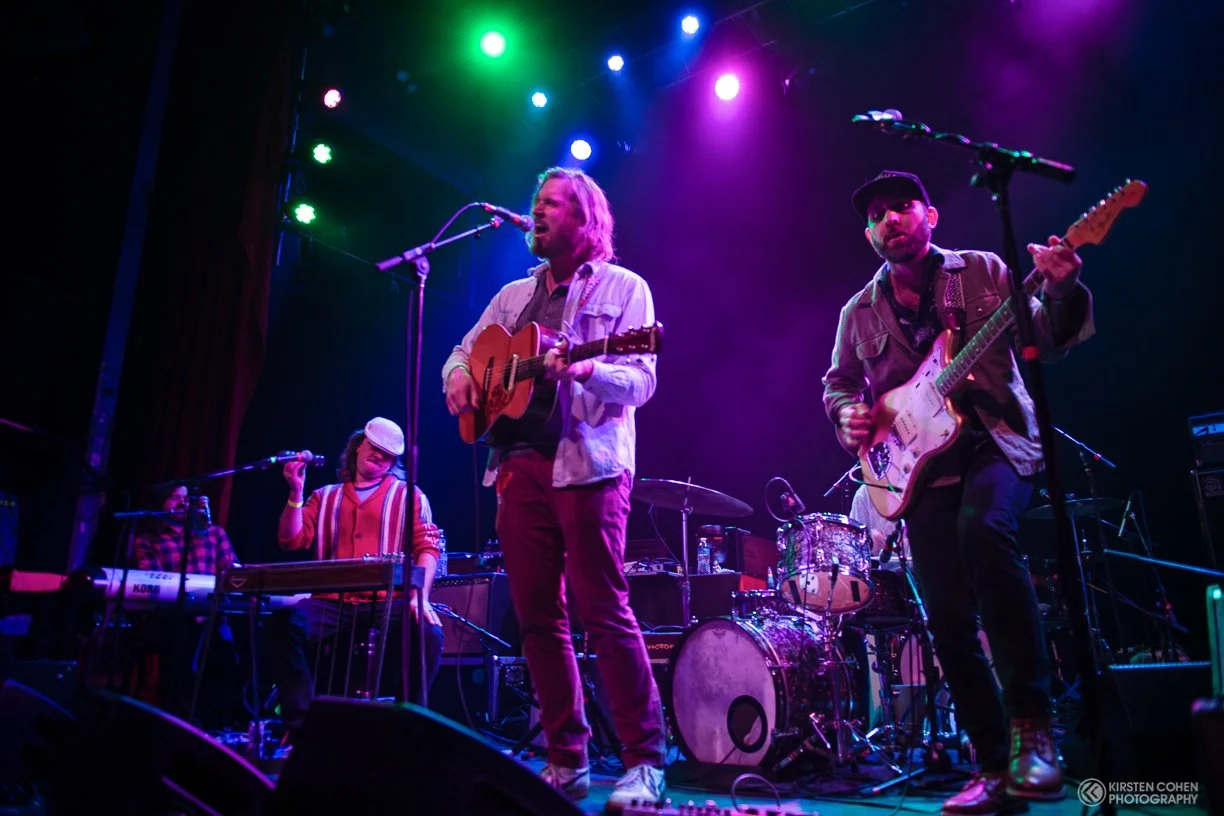
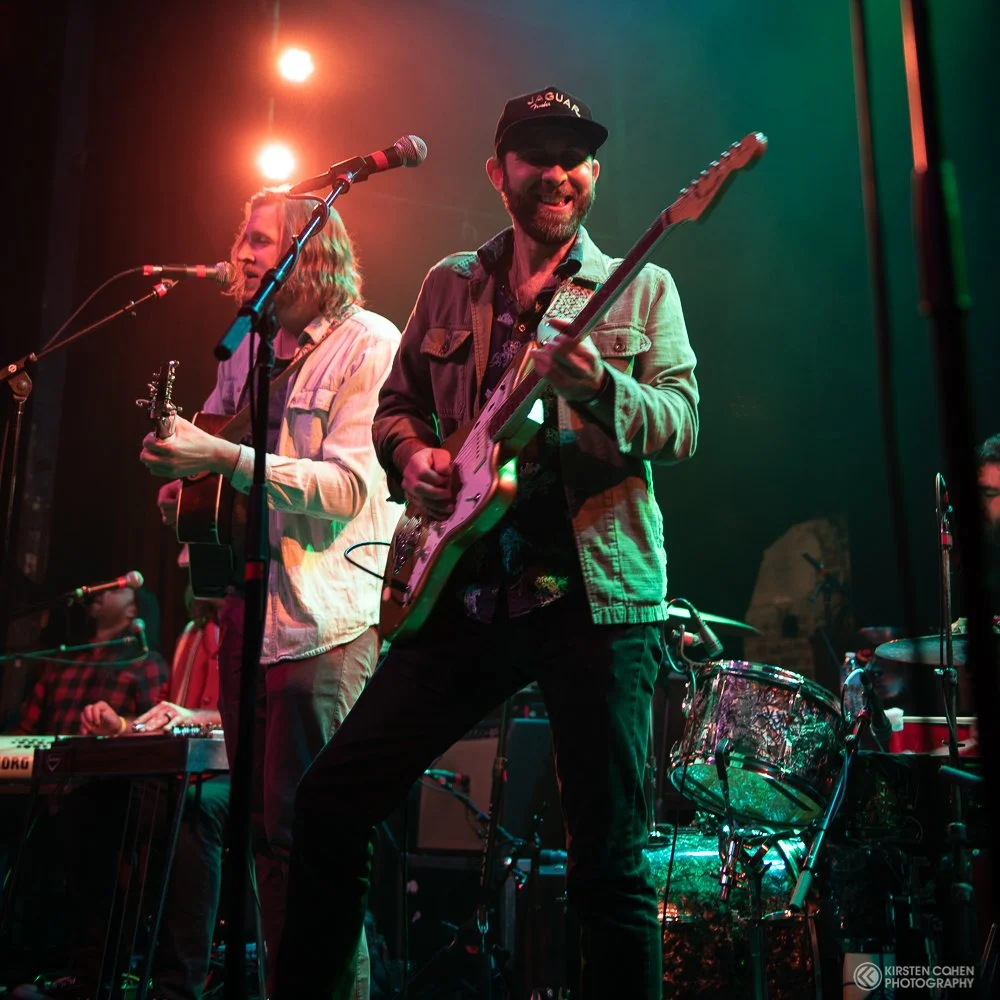
Born and raised in Rochester, NY, Mackey spent his early twenties in Chicago before moving to Denver, where he launched King Cardinal with a self-titled EP in 2013. The collection earned rave reviews in addition to landing Mackey a slot at the prestigious Telluride Bluegrass Festival, and in the years to come, he would go on to release a series of similarly well-received albums and EPs that would garner even more widespread acclaim as King Cardinal grew into a five-piece band hailed by NPR station KUNC as “making some of the best Americana of the past couple of years in Colorado.”
Things came screeching to a halt in 2020, though, when the world shut down and touring went on hold indefinitely. With multiple bandmates leaving Denver for good, Mackey decided to take things into his own hands, building out a small home studio and learning his way around synthesizers and samplers so he could begin to craft more immersive, fully realized productions on his own.
“I’d sample a bass note from one place and then a piano chord from another and just start building from there,” he explains. “Out of necessity, I ended up with this digital/acoustic hybrid sound, and that really became the sonic identity of the record.”
When it came time to flesh those recordings out, Mackey headed into Tate’s /O studio in Arvada, CO, utilizing his demos as a foundational bedrock upon which he could build with an ever-evolving cast of musicians.
“At first, we treated those demos as samples to remix and incorporate into a collaboration with live players,” says Tate. “But then we realized everything could be a remix. The sonic imprint of this record began with curiosity about what sounds each person could create, and it ended with the openness to transform those sounds into something entirely new.”
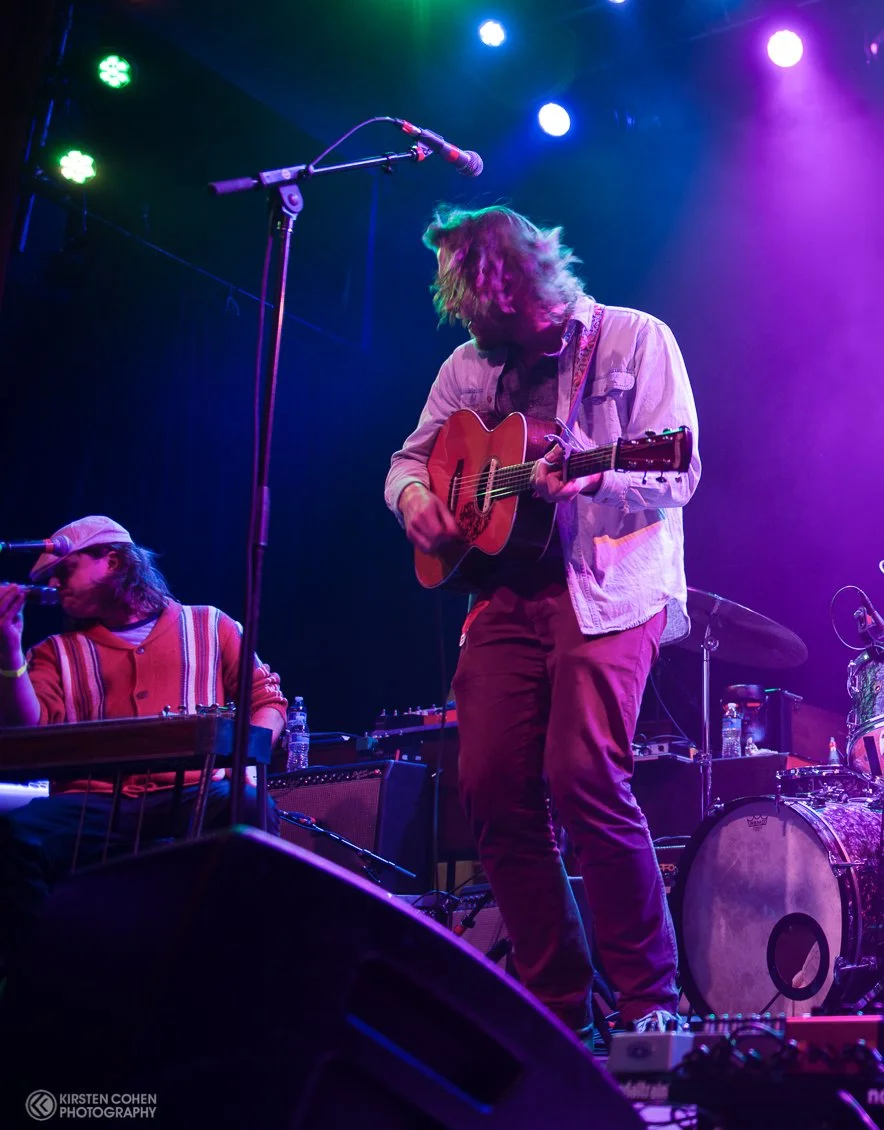
At the core were guitarist Jonah Wisneski and pedal steel player Ben Waligoske, who performed on nearly everything with Mackey and helped him maintain a cohesive sonic landscape despite the numerous other musicians involved.
“We really tried to push ourselves out of our comfort zone on this one,” reflects Waligoske. “We spent a lot of time trying to find new ways to use our instruments and create sounds we hadn’t heard before, and that approach ended up tying everything together.”
“It was a fascinating experience because I had to learn to go against my initial instincts,” adds Wisneski. “I had to learn to think in layers and textures rather than more traditional parts.”
The band’s left-of-center approach is obvious from the start on Reviver, which opens with the hypnotic “Wally.” Built around chopped up keyboard loops and punchy, rolling drums, the track finds Mackey reckoning with what almost was as he learns to make peace with the things he can’t control. “We came so close,” he sings, his voice distorted almost beyond recognition. Rather than dwell on the past, though, the tune sets the stage for an album all about living in the present, about holding on to what matters most and getting back up every time life knocks you down. The aching “Bad Guy” finds self-assurance in the face of overwhelming negativity, while the driving “Under Repair” does its best to make amends and move on, and the soaring “New Addiction” holds its demons at bay one day at a time.
“I was dealing with a breakup and some substance abuse issues when I was writing a lot of these songs,” reflects Mackey. “Most people will tell you that when you’re trying to quit something, you don’t just quit once. You quit a hundred times before you actually move on, and I think that process with all its ups and downs is really reflected in the music here.”
Mackey finds himself navigating that emotional rollercoaster throughout the record, frequently wrestling with moments of isolation and helplessness. The brooding “No One” (featuring vocals from Holly Lovell) struggles to break free of feeling trapped in place; the airy “Cracks In The Sidewalk” (featuring vocals from Julie Davis) longs for the warmth of human connection; the bittersweet “Take It Down” grapples with uncertainty and restlessness; and the stately “Stained Glass” comes to terms with how broken we all can feel at times.
“No matter how good it seems like someone else has it, you don’t know what’s happening on the inside,” Mackey explains. “It’s easy to be envious of other people without realizing how much they’re actually struggling. Sometimes the grass isn’t greener; it’s rotting.”
Through it all, though, Mackey insists on perseverance, even when it seems almost pointless. “This year will be better/ This year you will change,” he sings through a choir of autotune. “But you woke up this morning / Still feeling the same.”
In the end, it’s impossible to predict what happens when we let others into our lives—Reviver’s packaging is proof of that—but there’s beauty in the chaos, in opening ourselves up to the endless possibilities of love and heartbreak, of joy and pain, of loss and renewal. It’s more than just an experiment; it’s art.
Music
Videos
Press
“King Cardinal covers a range of musical and emotional territory. Brittle, brooding acoustic ballads like ‘Holy’ rub up against the jazzy heartbroken, R&B groove of ‘Better’ before veering off to the ambient country of ‘Chicago,’ a banjo-driven lament drenched in forlorn harmonies.”
-Relix Magazine
“Excellently crafted Americana”
-Marquee Magazine
“King Cardinal draws from a natural palette, painting vivid sonic portraits with elements of folk, roots rock and cosmic country.”
-Impose Magazine
“There’s enough intrigue within these grooves to convince a more adventurous admirer to undertake a series of subsequent encounters.”
-No Depression